
The Biggest Business Interruption Mistake? Assuming Every Shutdown Is Covered
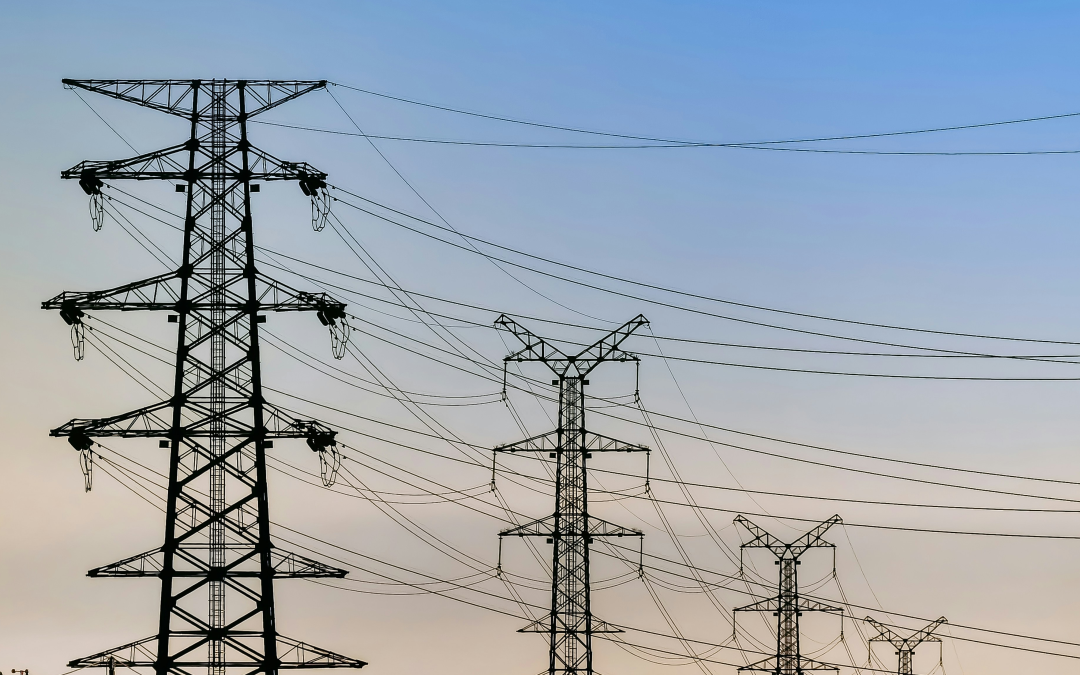
The power goes out.
A key supplier shuts down.
Roads close.
Employees can’t get to work.
Revenue stops.
Yet many business owners are surprised to learn that not every interruption automatically triggers Business Interruption (BI) coverage.
For businesses across Mississippi, severe weather, utility outages, supplier disruptions, and government closures can interrupt operations with little warning. Understanding what Business Interruption coverage actually responds to can make a significant difference when operations are disrupted.
What Business Interruption Insurance Actually Covers
Business Interruption insurance is designed to help replace lost income and certain ongoing expenses when a covered event forces your business to suspend operations.
Covered expenses may include:
- Lost business income
- Ongoing payroll obligations
- Rent or mortgage payments
- Loan payments
- Certain operating expenses
The key word is covered.
One of the biggest misconceptions about Business Interruption coverage is that any operational disruption automatically creates a claim. In most cases, coverage is only triggered when there is direct physical damage to insured property caused by a covered loss.
Examples may include:
- Fire
- Wind damage
- Lightning strikes
- Severe storm damage
- Certain types of water damage
If there is no covered property damage—or the cause of loss is excluded—Business Interruption coverage may not apply.
Why Waiting Periods Matter
Many Business Interruption policies include a waiting period before benefits begin.
Common waiting periods range from:
- 24 hours
- 48 hours
- 72 hours
During that time, the business absorbs the financial impact.
For many businesses, those first few days are often the most challenging. Payroll obligations continue, customers are affected, and revenue slows immediately.
A three-day shutdown can feel significant operationally, but if your policy includes a 72-hour waiting period, there may be little or no Business Interruption recovery available.
Understanding your waiting period helps you plan for the portion of a disruption your business may need to absorb on its own.
Understanding the Restoration Period
Business Interruption coverage is not unlimited.
Coverage generally applies during what’s known as the Period of Restoration—the time reasonably required to repair, rebuild, or replace damaged property.
Many business owners assume coverage continues until revenue returns to normal levels.
In reality, coverage often ends when operations can reasonably resume, even if revenue recovery takes longer.
Understanding how your policy defines the restoration period can prevent surprises during the claims process.
Why This Matters in Mississippi
Mississippi businesses face a variety of operational risks throughout the year, including severe thunderstorms, tornadoes, flooding, utility outages, transportation disruptions, and supplier delays.
While property damage often receives the most attention, many businesses experience significant losses through interrupted operations, delayed projects, vendor disruptions, and lost revenue.
A business doesn’t have to suffer catastrophic damage to experience a major interruption.
That’s why understanding Business Interruption coverage before a disruption occurs is so important.
Common Coverage Gaps Businesses Overlook
Many operational disruptions occur even when a business experiences little or no property damage.
These situations often create confusion about whether coverage applies.
Civil Authority Coverage
If severe weather damages nearby property and government officials restrict access to your business, Civil Authority coverage may help provide Business Interruption benefits.
However, coverage requirements are specific, and not every closure order qualifies.
Utility Services Coverage
Power outages are one of the most common causes of business interruptions across Mississippi.
Even when a business avoids significant property damage, extended utility outages can halt production, disrupt customer service, and delay operations.
A Utility Services endorsement may help address losses resulting from interruptions to:
- Electrical service
- Water service
- Communication systems
- Off-premises utility infrastructure
Without the appropriate endorsement, coverage may be limited.
Dependent Property Coverage
Many businesses depend on suppliers, manufacturers, distributors, and key vendors.
If one of those businesses suffers a loss and cannot operate, your business may experience lost revenue despite having no property damage of its own.
Dependent Property Coverage—sometimes called Contingent Business Interruption Coverage—helps address this exposure.
A Common Business Interruption Scenario
Consider a Hattiesburg business that loses power for four days following a severe storm.
The building experiences minimal damage, but operations come to a stop.
Employees cannot work.
Customers cannot access services.
Revenue is lost.
At first glance, many business owners assume this automatically triggers Business Interruption coverage.
In reality, coverage may depend on:
- The source of the outage
- Whether utility services coverage exists
- The policy waiting period
- Specific endorsements attached to the policy
These details often determine whether an interruption becomes a covered loss or an unexpected financial burden.
Why Business Interruption Claims Often Create Surprises
Business Interruption coverage can provide tremendous value when structured correctly.
However, businesses are often surprised when claims encounter challenges due to:
- No covered property damage
- An excluded cause of loss
- Missing endorsements
- Inadequate financial documentation
- Difficulty proving lost income
Preparation before a disruption often determines how smoothly a claim proceeds afterward.
Build Your Business Interruption Readiness Packet
Strong recovery begins long before a claim occurs.
Businesses that prepare before storm season often recover faster and experience less operational disruption than those trying to organize documentation afterward.
A Business Interruption readiness packet should include:
- Current insurance policies and endorsements
- Financial statements
- Profit and loss reports
- Vendor and supplier lists
- Emergency contact information
- Property inventories
- Disaster recovery procedures
When a disruption occurs, organized documentation can help simplify the claims process and support a faster recovery.
Business Interruption Coverage Is About More Than Property Damage
Business Interruption insurance is ultimately about protecting cash flow, continuity, and operational stability.
Property damage may be what starts the problem, but lost income, delayed operations, and disrupted business relationships often create the greatest financial impact.
Understanding waiting periods, restoration periods, utility services coverage, civil authority provisions, and contingent Business Interruption coverage helps ensure your protection aligns with how your business actually operates.
Insurance helps repair property.
Business Interruption coverage helps protect continuity.
Understanding the difference can play a major role in how quickly your business recovers when disruption occurs.
Build Your Business Interruption Readiness Plan
Review your Business Interruption coverage, endorsements, waiting periods, and recovery documentation before severe weather or operational disruptions occur. A proactive review today can help prevent costly surprises when operations are interrupted.